Cooking oil is an essential part of every kitchen. From preparing everyday sabzis to making traditional Indian pickles, the oil we choose influences the flavour, aroma and texture of our food. While sunflower, soybean, groundnut and olive oils are popular choices, mustard oil continues to hold a special place in Indian households. Among its varieties, yellow mustard oil stands out for its distinctive flavour, versatility and traditional culinary uses.
But what exactly is yellow mustard oil and how does it differ from other cooking oils? Let’s explore what makes it unique.
What Is Yellow Mustard Oil?
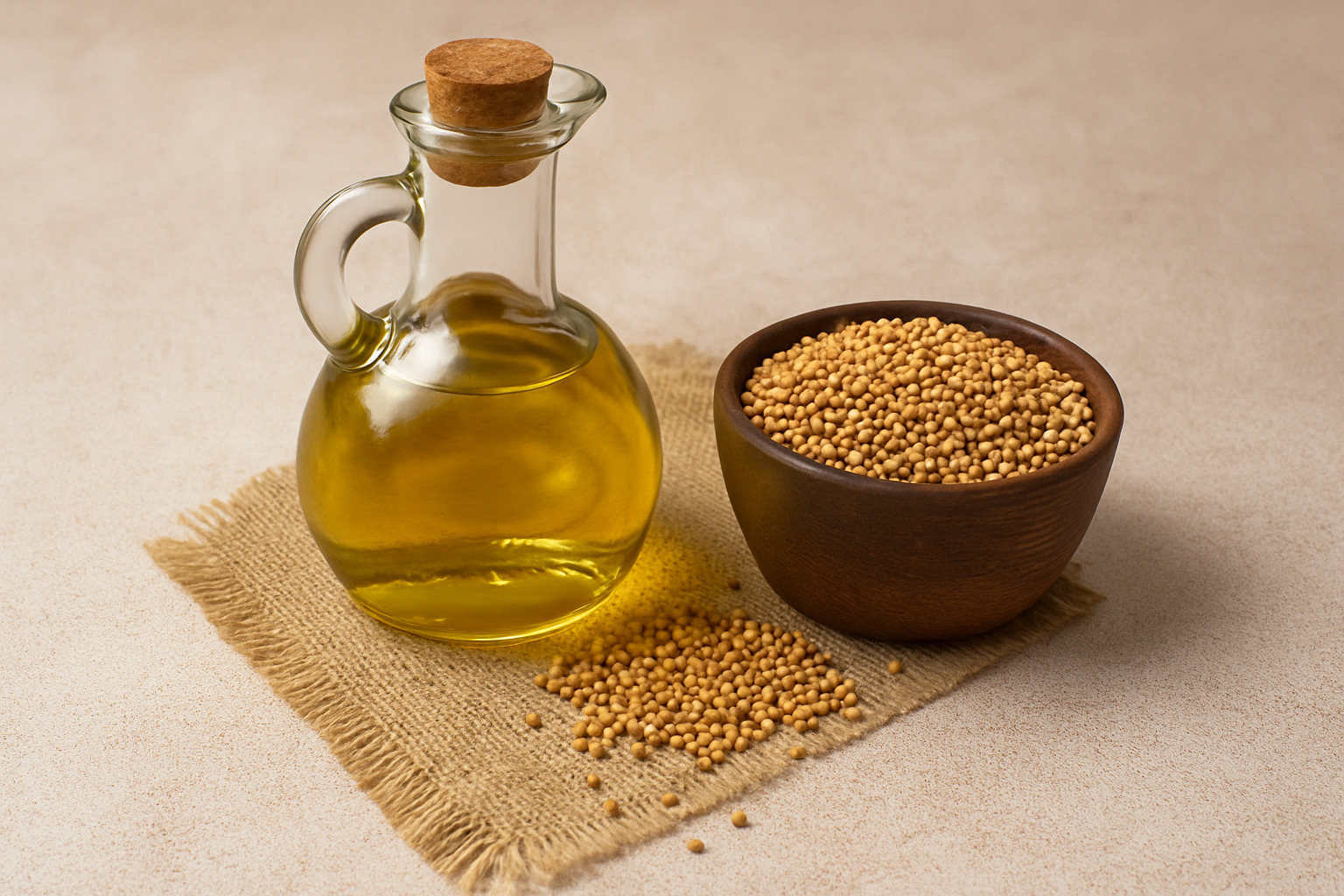
Yellow mustard oil is an edible oil associated with yellow or white mustard seeds, which are known for their relatively mild flavour compared with brown or black mustard seeds. The oil is obtained by extracting oil from mustard seeds through suitable processing methods.
However, the term yellow mustard oil can refer to different products depending on the manufacturer, the mustard seed variety and the extraction process. It is important to check the label to understand the exact ingredients and intended use of the product.
Mustard oil is widely used in Indian cooking, particularly in eastern and northern regions, where it adds a characteristic pungent aroma to vegetables, curries, fish preparations and pickles. Depending on the variety and processing method, its flavour can range from relatively mild to distinctly sharp.
How Is Yellow Mustard Oil Different from Other Cooking Oils?
Although most cooking oils serve the same basic purpose, they differ in their source, fatty acid composition, flavour and suitability for different cooking techniques.
1. Difference in Source and Extraction
Yellow mustard oil is extracted from mustard seeds, whereas sunflower oil comes from sunflower seeds, groundnut oil from peanuts and olive oil from olives.
The source of an oil influences its natural composition, including the types of fatty acids it contains. Processing methods also affect the final product’s aroma, colour and flavour.
For consumers, understanding the source and extraction method can help them choose an oil that suits their cooking preferences.
2. Difference in Taste and Aroma
One of the most noticeable differences between mustard oil and other cooking oils is its flavour.
Mustard oil is known for its characteristic pungency, which becomes particularly noticeable when the oil is heated. It can give traditional Indian dishes a distinctive aroma and depth of flavour.
In comparison, sunflower oil generally has a neutral taste, making it suitable for recipes where the flavour of the ingredients should remain prominent. Groundnut oil has a mild, nutty character, while olive oil can range from delicate and fruity to grassy and peppery, depending on its variety and processing.
Yellow mustard oil may offer a milder flavour profile depending on the seeds and production method, but the exact taste varies between products.
3. Difference in Fatty Acid Composition
Cooking oils are made up of different proportions of saturated, monounsaturated and polyunsaturated fats.
Mustard oil naturally contains a mixture of these fatty acids. However, its composition depends on the mustard variety and the product’s processing.
Sunflower oil is generally known for its polyunsaturated fats, while groundnut oil contains substantial monounsaturated fats. Olive oil, particularly extra-virgin olive oil, is rich in monounsaturated fats.
These differences matter because the overall fatty acid profile of an individual’s diet is relevant to heart health. No single oil should automatically be considered the healthiest option for everyone; the type of oil, quantity consumed and overall dietary pattern all play important roles.
4. Difference in Cooking Applications
Every cooking oil has characteristics that make it suitable for certain recipes.
Mustard oil is traditionally used for preparing curries, sautéed vegetables, fish dishes, marinades and pickles. Its distinctive aroma can complement strong spices and regional Indian flavours.
Sunflower oil is commonly used for everyday cooking, shallow frying and baking because of its relatively neutral taste. Groundnut oil is popular for frying and Indian dishes that benefit from its mild nutty flavour. Olive oil is often used in salad dressings, sautéing and Mediterranean cooking, although different varieties suit different applications.
When choosing an oil for high-temperature cooking, it is important to consider its smoke point, fatty acid composition, processing method and the manufacturer’s instructions rather than relying on the oil’s name alone.
5. Difference in Traditional Culinary Uses
Mustard oil has a long-standing place in many Indian food traditions. In Bengal, Bihar, Odisha, and parts of northern India, it is commonly associated with fish curries, vegetable preparations, and pickling.
Other oils have their own regional identities. Groundnut oil is popular in parts of western and southern India, while coconut oil is widely used in Kerala and other coastal regions. Sesame oil also plays an important role in several regional cuisines.
Yellow mustard oil can be an interesting option for cooks who enjoy mustard-based flavours but prefer to explore variations in aroma and taste.
Is Yellow Mustard Oil Suitable for Everyday Cooking?
Yellow mustard oil may be used in everyday cooking when the product is specifically manufactured and labelled for edible use and is suitable for the intended cooking method.
Before purchasing, check the packaging, ingredients, applicable food-safety information and recommended uses. Not every mustard-derived oil is intended for direct consumption. In particular, certain traditional mustard oils contain high levels of erucic acid, so product-specific composition and regulatory requirements matter.
For a balanced diet, it is also advisable to vary dietary fat sources, use cooking oils in appropriate quantities and avoid repeatedly overheating or reusing oil.
How to Choose the Right Cooking Oil
Choosing between yellow mustard oil and other cooking oils ultimately depends on your needs and preferences. Consider these factors before making a decision:
- Flavour: Choose an oil that complements the dishes you prepare.
- Cooking method: Match the oil to frying, sautéing, dressing, or other intended uses.
- Fat composition: Compare the nutritional information and consider your overall dietary pattern.
- Quality and safety: Purchase properly labelled edible oil from a reliable manufacturer.
- Usage instructions: Follow the product’s recommended storage and cooking guidelines.
Rather than choosing an oil based only on popularity, focus on its intended use, nutritional composition and suitability for your kitchen.
Final Thoughts
Yellow mustard oil offers an interesting variation within the wider world of cooking oils. Its mustard-seed origin, distinctive flavour profile and connection to traditional Indian cuisine set it apart from more neutral oils such as sunflower oil.
While every cooking oil has its own characteristics, the right choice depends on the recipe, personal taste, nutritional needs and product quality. Understanding these differences makes it easier to choose an oil that complements your cooking while supporting a balanced approach to everyday eating.
The best cooking oil is not simply the one everyone uses, but the one that suits your food, your cooking habits and your nutritional needs.


Leave a reply